Start one local stack
Anvil, delegated gateways, Dashboard, and a fresh instance start from one command.
Run locallyKurabase reference
Kurabase turns EVM state into a relational developer surface. Tables, policies, migrations, and wallet-bound sessions work without making application developers write Solidity.
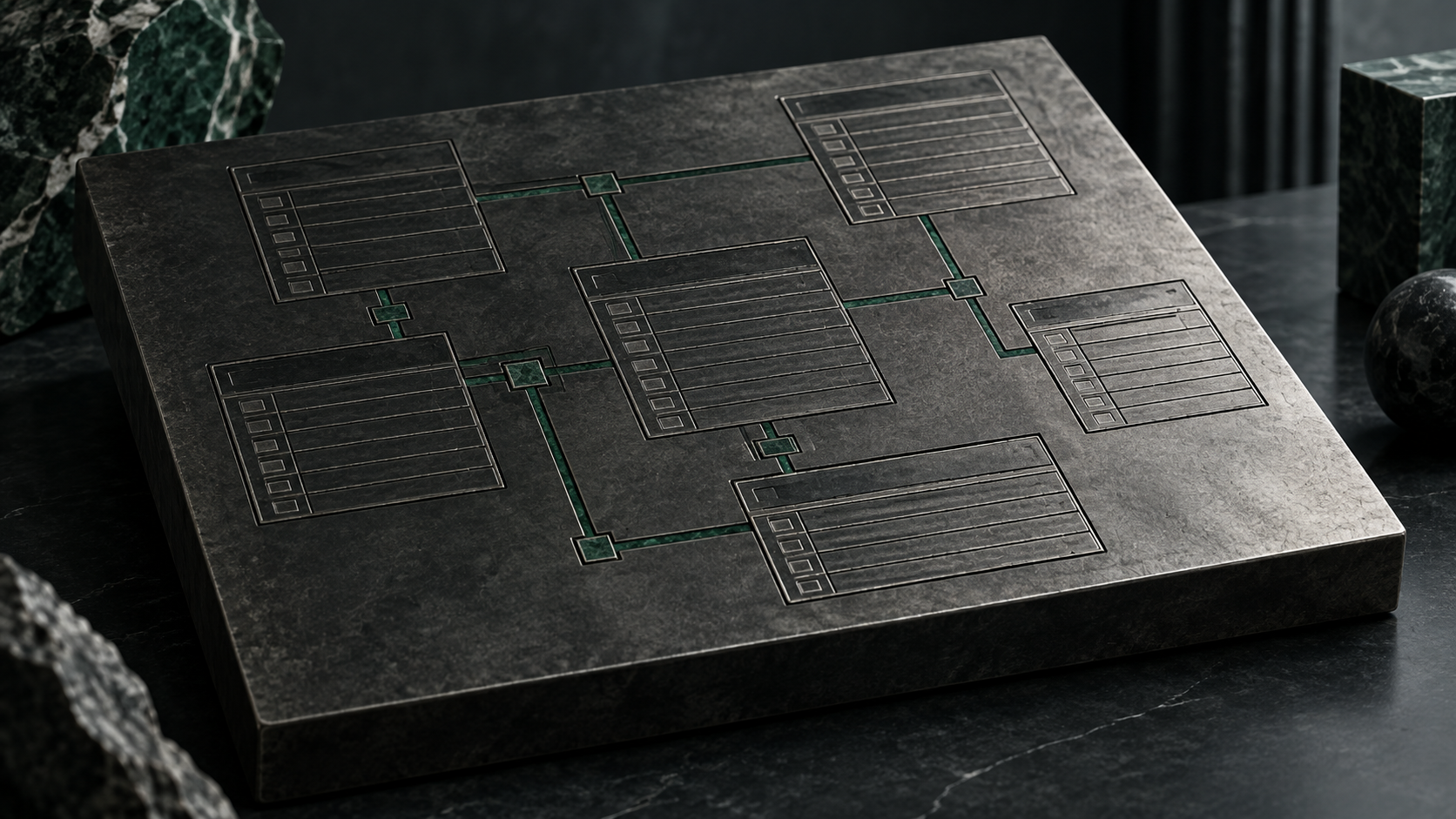
The operating model
Instance owners delegate gateways on-chain. People act through a wallet or configured identity authority. The gateway validates both before it evaluates RLS or submits a write.
See the authorization boundaryAnvil, delegated gateways, Dashboard, and a fresh instance start from one command.
Run locallyThe browser signs an EIP-712 session. It never receives a gateway signing key or server secret.
Read the authority modelBuild against REST or the independent JavaScript SDK with familiar relational primitives.
Build with JavaScriptThe application surface
Use the independent JavaScript SDK for application reads and wallet-authorized writes. Keep instance administration in an owner-controlled flow.
Explore the SDKimport { createClient } from '@kurabase/js'
const db = createClient(url, publishableKey)
await db.auth.signInWithWallet({ provider: window.ethereum })
const posts = await db
.from('posts')
.select('id,title')
.eq('published', true)